Research
Synthetic biology is about designing and building new biological components (parts to cells), either by modifying existing components or by creating entirely new ones. By adopting an engineering approach, the aim is move from construction to function, in a predictable way.The global synthetic biology market is experiencing rapid growth, with estimates suggesting it will expand from approximately $13.4 billion in 2022 to over $116 billion by 2032.
This growth is driven by advancements in DNA sequencing, gene editing, automation, and artificial intelligence, enabling the development of innovative applications in sectors like healthcare, agriculture, energy, and biomanufacturing.
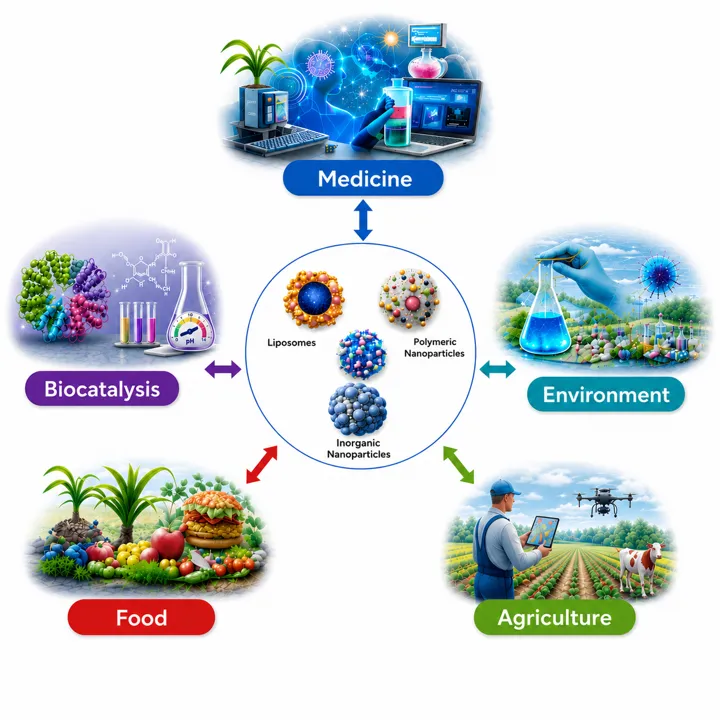
Using the synthetic biology approach, here are some of the key applications that CSBB is driving:
Health
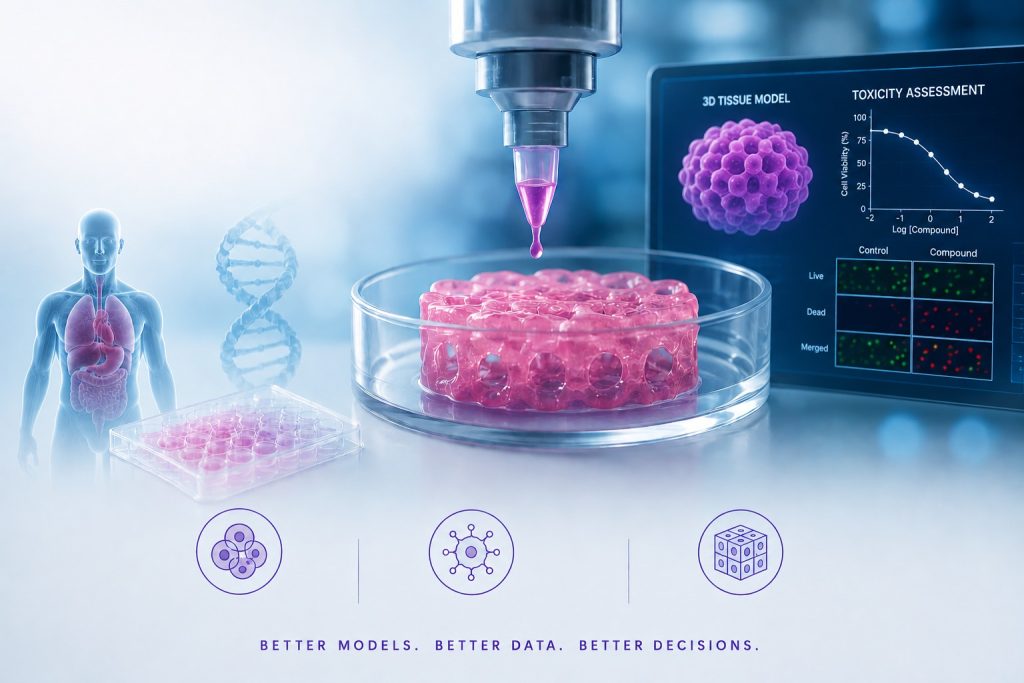
Personalised immunotherapy, Engineered probiotics, Lab-grown organoids
Environment
Carbon sequestration, microbial bioreactors, upcycling waste materials
Materials
Fragrances, Food additives, Fabric dyes, Cosmetics
Manufacturing
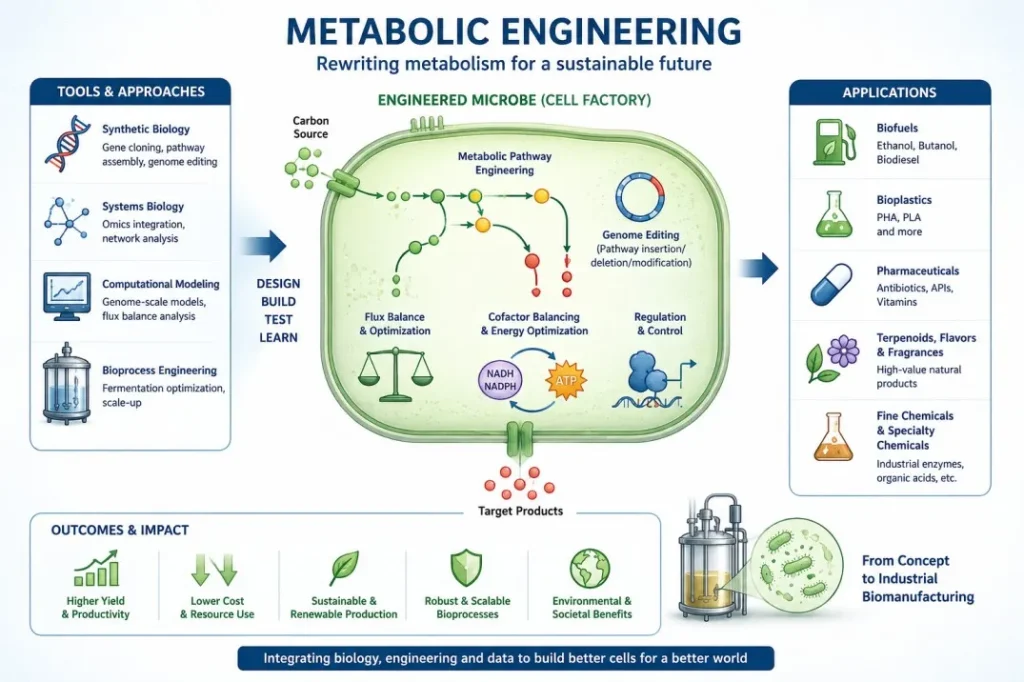
Biopharma, Fragrances, Flavours, Chemicals, Enzymes
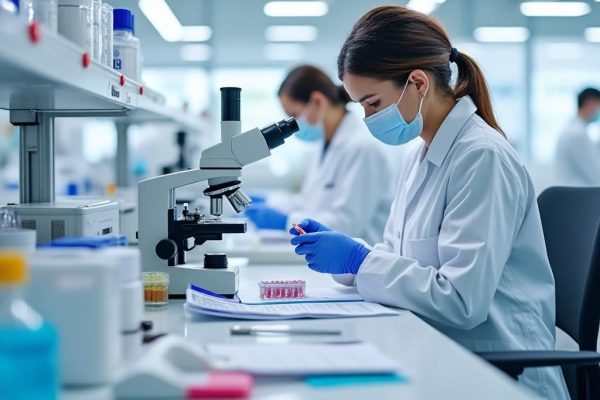
1. Health Applications of Synthetic Biology: Revolutionizing Medicine
2. Sustainable innovations: environmental applications of synthetic biology
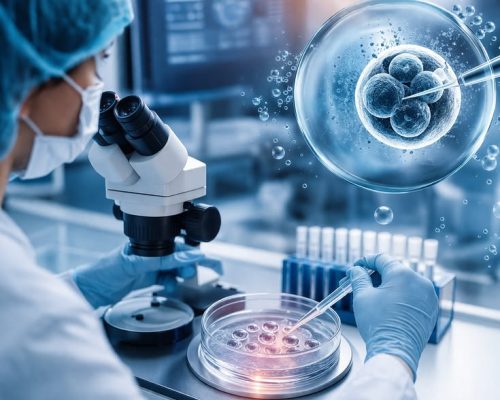
As the world grapples with pressing environmental challenges, synthetic biology emerges as a beacon of hope, offering innovative solutions that harness the power of biological systems for sustainability. By reimagining the relationships between organisms and their environments, synthetic biology paves the way for transformative applications that address climate change, pollution, and resource depletion.
Our research is focused on:
Developing engineered microorganisms that can efficiently capture and convert atmospheric carbon dioxide into useful products, significantly reducing greenhouse gas levels and combating global warming.
Engineering microbes capable of degrading persistent pollutants, such as plastics and heavy metals, in contaminated environments, leading to cleaner air, soil, and water.
Designing crops with enhanced resilience to climate extremes, pests, and diseases, along with engineered soil microbes that improve nutrient uptake and reduce the need for chemical fertilizers and pesticides.
Utilizing synthetic biology to upcycle waste materials into valuable resources, including biofuels, bioplastics, and chemicals, creating a closed-loop system that minimizes waste.
3. Building the Future: Synthetic Biology for Sustainable Biomaterials
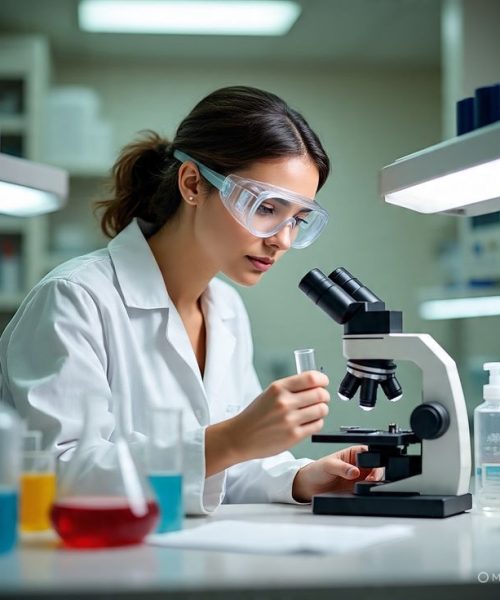
Synthetic biology is unlocking new possibilities in biomaterials production, offering sustainable, bio-based alternatives for a wide range of industries. By leveraging engineered organisms, we can now produce fragrances, food additives, fabric dyes, cosmetics, and other high-value materials in eco-friendly ways. This innovative approach reduces environmental impact, promotes sustainability, and enables more efficient production processes that were once dependent on resource-intensive or chemical-based methods. At our center, we are advancing research and development in this field, pioneering new ways to create materials that are not only functional but also sustainable for the future.
By harnessing engineered organisms, we can now create high-value materials such as fragrances, food additives, fabric dyes, and cosmetics through biological processes rather than traditional chemical synthesis or resource-intensive extraction. These bio-based alternatives not only reduce environmental impact but also enable precise, scalable production of complex materials that were once difficult or costly to obtain. From crafting eco-friendly dyes for textiles to producing natural flavors and fragrances for everyday products, synthetic biology is transforming the biomaterials landscape, offering a greener and more efficient approach to manufacturing. At our center, we are at the forefront of this movement, driving cutting-edge research and applications that redefine sustainable production.
The global biomaterials market was valued at approximately $120 billion in 2022 and is projected to reach over $295 billion by 2032, growing at a compound annual growth rate (CAGR) of around 10%. This growth is fueled by the increasing demand for sustainable alternatives in various industries such as textiles, food, and cosmetics.
4. The Future of Biomanufacturing